

Did you know that the health of your gums can significantly impact your overall wellbeing? While many people focus on brushing and flossing for a brighter smile, maintaining healthy gums goes far beyond aesthetics. Research shows that gum disease is linked to a variety of serious health conditions, including heart disease, diabetes and even Alzheimers. By taking care of your gums, you’re not only protecting your oral health but also supporting your body’s overall wellness. In this post, we’ll explore how gum health is connected to your general health and share tips on how to keep your gums in top condition
.“Gum disease affects 47.2% of adults aged 30 and over in the UK.”
Centre for Disease Prevention and Control
-
66% of adults have visible plaque – the cause of gum disease
-
25% of adults do not brush their teeth twice a day
-
33% of adults have NEVER flossed or cleaned between their teeth. (oral health foundation)
Did you know that Gum Disease is a largely preventable condition? For a small percentage of people, gum disease can be hereditary which makes it more difficult to stabilise and more important for intervention to take place in order to slow progression.
Spotting the Signs of Gum Disease
Bleeding gums is the number 1 sign of gum disease and is caused by the gums becoming inflamed and irritated by the presence of plaque and calculus.
Swollen Gums develop as gum disease worsens. The gums can become irritated, swollen or overgrown as a response to the ongoing presence of plaque and calculus. Some people are more prone to swollen or overgrown gums as a result of medication or existing medical conditions.
Recession can develop as gum disease progresses and bone loss occurs with the gum shrinking down the root exposing more of the vulnerable dentine. Recession often comes hand in hand with increased sensitivity.
Bad breath can develop due to the accumulation of plaque bacteria. You may not be aware of it unless someone tells you. Bacteria can create nasty smelling compounds that cause bad breath.
Loose teeth occur when a large amount of supporting bone has been lost around the root of the tooth. This can make eating troublesome and the teeth can drift or move leading to a less aesthetic appearance.
Pain and infection can occur with advanced gum disease and often leads to the affected tooth needing to be removed.
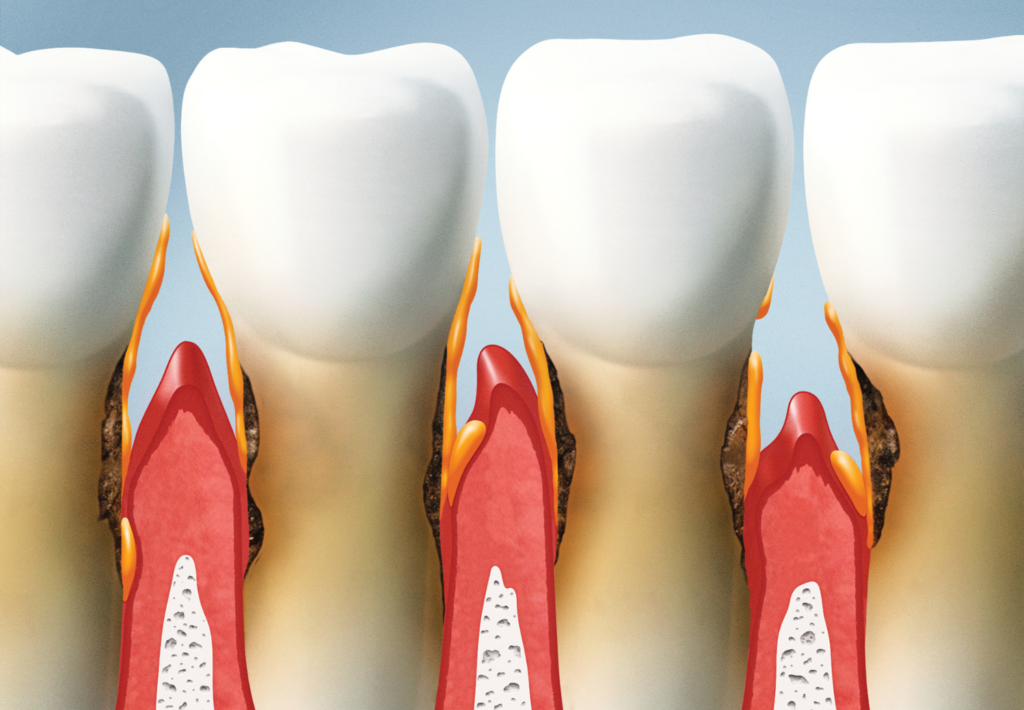
Gum Disease Progression
The severity of Gum Disease generally worsens with age and can lead to the early loss of teeth. This is due to progressive bone loss around the teeth that has not been controlled.
Looking after your oral health can have a significant impact on your overall health and current research has proven links between oral health and conditions such as:
-
Heart disease
-
Diabetes
-
Alzheimer’s
-
Infertility
-
Low Birth Weight/Premature Birth
-
Pneumonia
-
Arthritis
This means that optimising your gum health plays an important part in maintaining and improving your overall health. Small changes really can make a big difference!
As part of your initial consultation, Kathryn will carry out an assessment of your gum health and offer advice and assistance on ways in which this can be effectively managed. Get in touch to start your gum health journey today!
Book your appointment here
Recent Comments